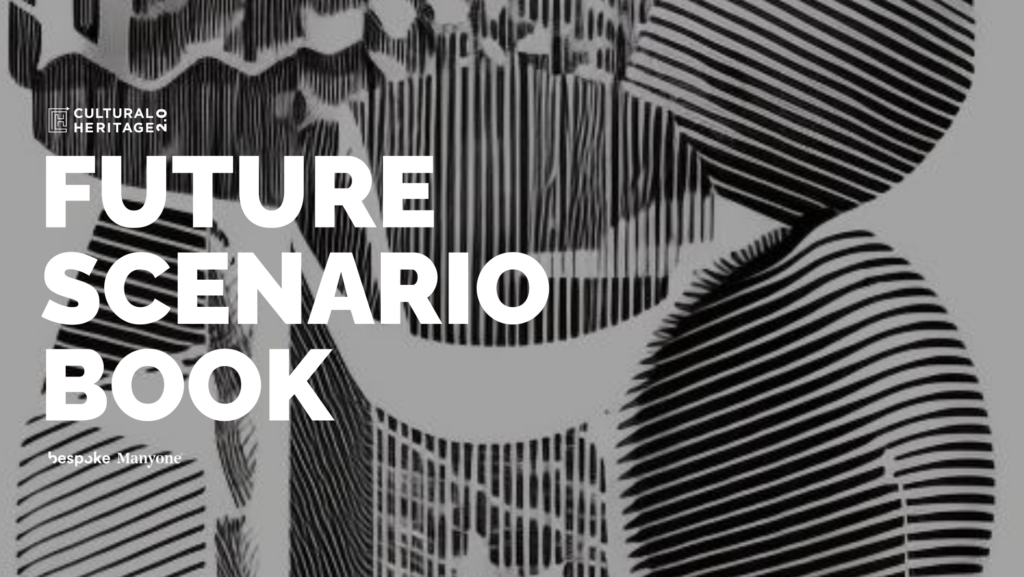
The EU funded project Cultural Heritage 2.0 project aimed to conceptualise and develop scenarios for the future of the cultural heritage sector.
COVID-19 severely disrupted the cultural and creative sectors, exposing major inequalities in the cultural heritage field. While large institutions accelerated digital engagement, smaller organisations struggled due to limited resources, low digital capacity, and rigid business models, making rapid transformation difficult in a post-COVID landscape.
An EU-funded project on the future of Cultural Heritage in Europe aimed to build resilience for the Cultural Heritage Sector by anticipating different future scenarios. When done well, scenarios are essential for anticipating change, building resilience, and creating long-term value. Together with cultural heritage organisations, we combined trend scanning, digital transformation, innovative business models, and the co-creation of plausible future scenarios to help them reimagine what lies ahead.
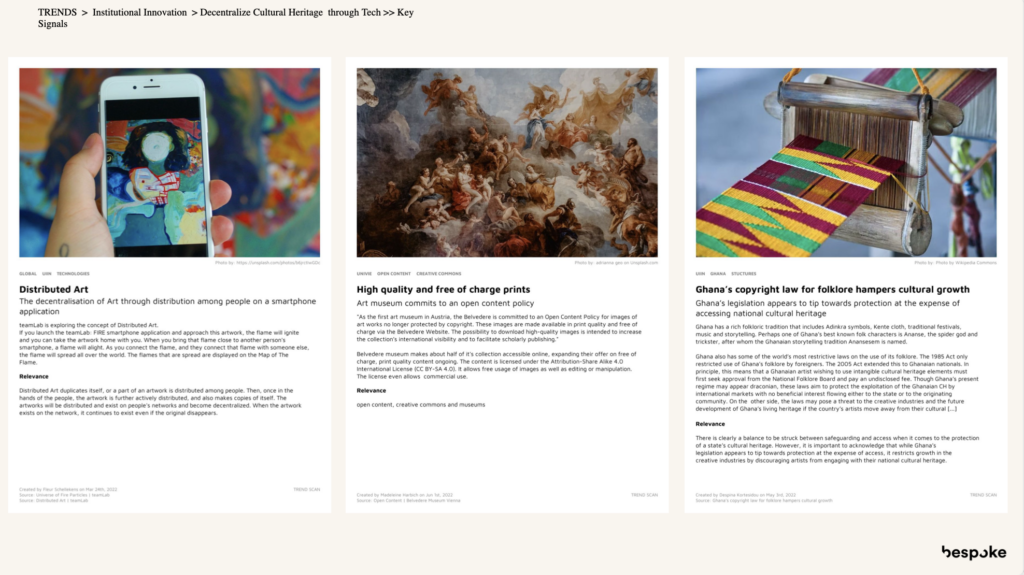
We developed future-facing scenarios to guide the sector’s digital and business model evolution, while positioning Higher Education Institutes as active partners in regeneration. The work combined “Researching the Now” (36+ qualitative interviews with CH leaders and business model experts, plus 24 good-practice cases) with “Scanning the Future” (150+ trends via horizon scanning and a collaborative sense-making workshop).
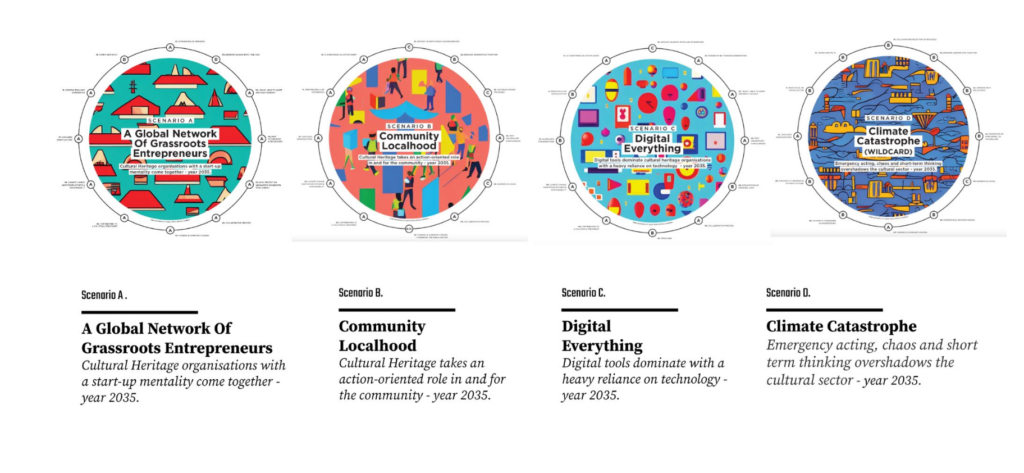
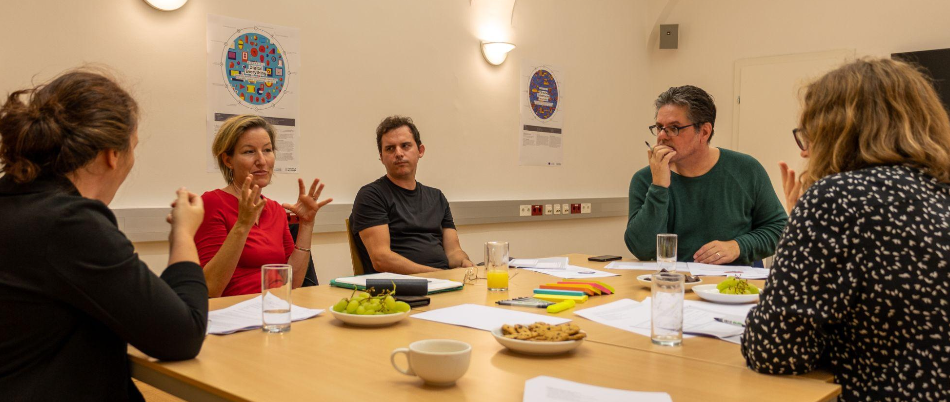
In a participatory way to include different perspectives, Future Dialogues Workshops were held in three European countries to gather the opinions and reflections of cultural heritage stakeholders, educators, and experts in technology and business, and to collaboratively explore scenarios and discuss their impact and implications for future competencies.
In the end, reflections and impacts were mapped in the responses, their relationships and outcomes, and four final scenarios were developed from these inputs. The scenario narratives reflect the group’s collective opinion and dominant views. These scenarios aim to inspire, rehearse, and reimagine what might lie ahead for the European Cultural Heritage Sector.
Credits: Delivered as part of Bespoke. Role: Strategic Foresight Lead